
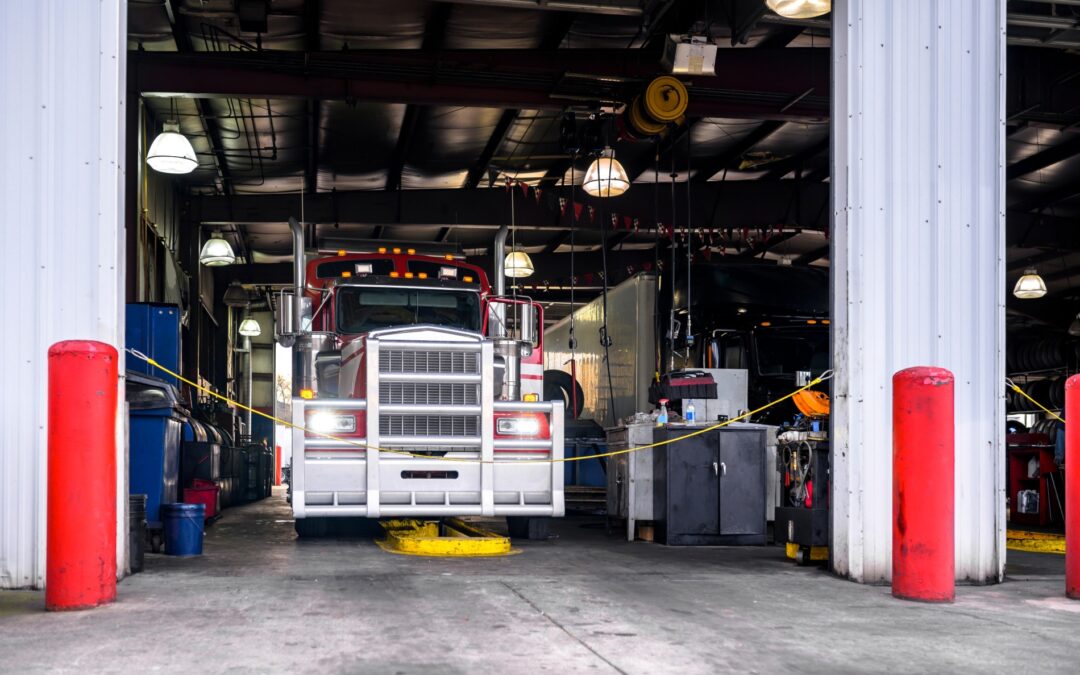
As the fall season approaches, truck drivers and fleet managers need to shift their attention to maintaining their vehicles in response to changing weather conditions. The crisp autumn air can be a welcome change, but it also brings challenges that can affect crucial components of a truck. Preparing vehicles for the months ahead ensures they continue to perform reliably and safely. One key component that benefits from extra attention during this time is the spindle. Spindles play a significant role in the wheels’ mechanics, making their inspection vital for smooth and trouble-free operation.
Spindle inspection for trucks serves as a preventative measure, helping to identify and address potential issues before they escalate into costly repairs. As temperatures start to drop, trucks may be exposed to greater moisture, which can impact the condition of their spindles. A comprehensive fall maintenance regime, including spindle checks, can go a long way in minimizing unexpected roadside problems. Regular inspections reveal what’s happening beneath the surface, allowing truck owners to tackle any signs of wear or damage early on.
Effects of Weather Changes on Spindles
Fall weather transitions have more impact on truck spindles than one might initially think. As the season changes, fluctuating temperatures and increased moisture levels can lead to several common issues. Understanding how these changes affect the spindle is the first step in preventing long-term damage.
– Moisture Accumulation: Rain and morning dew can lead to moisture buildup on truck spindles. This often causes rust to form, which can weaken the spindle over time and ultimately affect the wheel’s ability to turn smoothly.
– Rust Formation: With frequent exposure to water, either from rain or condensation, spindles can develop a rust layer that needs to be checked regularly. Rust not only compromises the spindle but can also lead to more severe mechanical failures if not managed promptly.
– Temperature Fluctuations: As the days grow colder, temperature changes can cause metal in the spindles to expand and contract. This cycle may lead to small cracks or weaknesses if the metal parts are not appropriately inspected and treated.
Ensuring that spindles are in top condition through regular inspections can significantly reduce the risk of these issues. Understanding their susceptibility to seasonal challenges allows truck owners to implement preventative measures, ensuring better performance and fewer breakdowns.
Benefits of Regular Spindle Inspections
Conducting regular spindle inspections can be compared to attending routine health checkups, preventing small problems from becoming big headaches. Especially during seasonal changes, these inspections are crucial in ensuring the longevity and smooth functioning of the vehicle.
Consistent spindle inspections provide multiple benefits:
– Smooth Operation: By catching issues early, drivers can maintain the integrity of their truck’s wheels. A thoroughly checked spindle means smoother rides without unexpected jolts or stops.
– Prevention of Long-Term Damage: Identifying minor rust or wear during regular checks can stop the issue from worsening, reducing the chances of costly repairs down the line.
– Increased Safety: Faulty spindles can lead to hazardous driving conditions. Regular assessments protect not only the vehicle but also the driver and other road users by maintaining vehicle safety.
Investing time in spindle inspections during fall is a wise decision, offering peace of mind to drivers and fleet managers that their trucks are well-prepared to tackle the seasonal conditions ahead. By keeping spindles in good condition with regular checks, owners ensure operational reliability and safety through the autumn months.
Steps for Effective Spindle Inspection
Carrying out a spindle inspection doesn’t have to be complicated. With a straightforward approach, you can maintain your truck’s spindles effectively. Here’s a simple guide to help you:
1. Visual Examination: Look for visible signs of rust or wear. Minor surface rust might not seem like a big deal, but left unchecked, it can lead to more serious issues.
2. Check Movement: Wiggle each spindle. There should be no excessive play or noise. Any grinding or wobbling suggests it’s time for a closer look.
3. Lubrication: Ensure spindles are well-lubricated. Lack of lubrication can increase friction, leading to wear and possible failures.
4. Measure Tolerances: Use a micrometer to check spindle sizes against manufacturer specifications. Deviations can indicate abnormal wear.
5. Inspect Bearings and Seating Areas: Check these components for signs of heat damage or wear. Bearings should roll smoothly without any grinding noise.
These steps help you spot potential problems early, allowing you to address them promptly. By catching issues before they escalate, you maintain the spindle’s health, ensuring safe and smooth driving conditions.
Professional Maintenance Services
While basic inspections can be carried out independently, having professionals handle more thorough checks and maintenance brings additional peace of mind. Professionals bring expertise and experience, providing a comprehensive overview of your truck’s condition.
– Specialized Equipment: Professionals use advanced tools that offer precise measurements and diagnostics, something not always achievable with simple hand tools.
– Detailed Knowledge: An experienced eye can spot problems that a basic inspection might miss. This expertise can prevent small issues from turning into major repairs.
– Time Efficiency: Your time is valuable. Leaving maintenance to professionals frees you up to focus on your core tasks, knowing your truck is in capable hands.
Trusting experts for rigorous inspections and maintenance ensures that your truck is ready to face fall’s challenges, without the worry of underlying spindle issues.
Preparing Your Truck for Fall
Getting your truck ready for the fall season goes beyond spindle inspections. A broader maintenance routine ensures your vehicle stays in good shape as conditions change.
– Fluids Check: Address all fluid levels and top up as necessary. Cold weather can affect fluid viscosity, impacting performance.
– Tire Inspection: Check tires for appropriate tread depth and pressure. Changes in temperature often lead to tire pressure fluctuations.
– Battery Health: Cooler temperatures can challenge your battery’s efficiency. Testing it ensures reliability.
– Lighting and Wiper Blades: Shorter daylight hours and potential rain mean these need to be in top condition for safety.
By taking these steps, you safeguard your truck’s reliability throughout the seasonal shift. Comprehensive preparation means you’re less likely to encounter surprises as you go about your work.
Keeping Your Fleet Running Smoothly
As the seasons change, a proactive maintenance approach can make a world of difference. By focusing on regular spindle inspections and general truck readiness, you pave the way for a trouble-free fall season. Staying ahead of potential issues secures uninterrupted operations, saving time and reducing stress.
Taking small steps now leads to smoother roads ahead, preserving your fleet’s integrity and keeping operations efficient. Being prepared makes all the difference, ensuring confidence as you address whatever fall may bring.
To ensure your truck fleet is ready for the upcoming season, prioritize regular spindle inspection for trucks with Southeast Axle Repair. Our experienced team helps you stay ahead of issues, reducing downtime and keeping your trucks moving reliably through fall and beyond.