
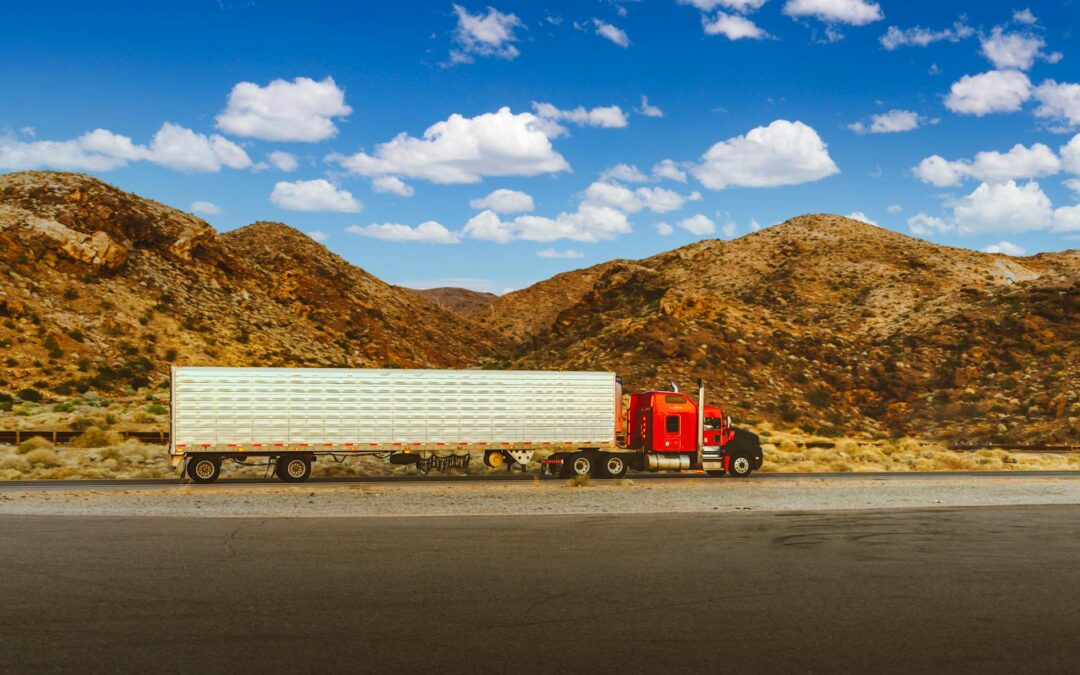
As winter wears down, many trucks are already preparing for spring freight runs. It’s a busy time where rigs switch from cold climate hauls to faster routes and heavier loads. But while the weather might be warming up, the wear left behind from winter is still hiding under the frame. That’s when axle problems like joint stress, grease breakdown, or seal damage tend to show up.
Surprise breakdowns in early spring can throw delivery schedules off and turn a normal day into a frustrating scramble. Spotting issues early is key, and understanding how winter wear or road conditions trigger axle problems makes it easier to prevent bigger interruptions. Now’s a smart time to look closer and schedule heavy-duty truck axle repair if anything seems off.
Cold Weather Fatigue That Lingers into Spring
Winter does things to axle components that most drivers don’t notice until spring miles start to pile up. The constant back and forth between freezing nights and warmer days puts stress on the metal, rubber seals, and lubricants in your axle setup.
• Axle joints may seem tight in the cold, but stress cracks from hard winter driving can spread as temperatures rise.
• Grease that looked fine in January may break down or thin out by late February, especially if the rig sat idle during a cold snap.
• Drivers might notice some thumping, lighter pulling, or inconsistent turning, these are signs your axle is still feeling the effects of winter.
These issues aren’t always clear at first. They hide until the miles pick up again and the load shifts on soft pavement or thawing roads.
Road Debris and Residue Hiding Bigger Problems
Half-frozen grime from winter roads loves to collect around axle housings, especially after rural or backroad hauls. Mud, salt, and heavy dust build up over a few weeks, and that layer can actually mask growing issues.
• Hubs, seals, and axle boots often stay hidden behind road film that makes it harder to spot leaks or grease spray.
• Some rural highways and loading lots kick up more debris than drivers realize, especially when the ground is soft in early spring.
• If any area near the axle looks oily, darker, or smells burnt, that’s a sign it’s time to get under there and take a look more closely.
The problem isn’t just the buildup, it’s what you miss underneath it. By the time a driver hears a whine or notices a pull, the component may already be worn too far to fix quickly.
Strange Vibrations and Steering Pulls You Shouldn’t Ignore
One of the easiest spring red flags to overlook is a vibration that wasn’t there last month. Often, they start small. A hum in the wheel, a pull during light turns, or maybe a shudder when hitting cracks in the road. These things don’t happen out of nowhere.
• Axles that got pushed too hard in winter may start to show uneven wear on their joints or bearings.
• Wet roadbeds, softened shoulders, and rough thawing stretches mean more vibration hitting the frame, especially when loads are uneven.
• A slight offset in the axle can show up as a steering pull, if you need to fight the wheel more than usual, it might not be the alignment.
These symptoms usually mean something is shifting or worn out. The longer they’re ignored, the more damage spreads, especially to tires and driveshafts.
The Trouble with Weekend and Off-Hour Breakdowns
The end of winter can be a rough time to need repairs. Shops often run lighter hours after holiday stretches, and spring freight hasn’t hit peak yet, so staffing can be limited. If a truck breaks down late Friday or mid-Sunday, you may not find help fast enough.
• When a problem catches up to a driver late, options are limited, especially near smaller towns or along secondary highways.
• Spring shipping volume starts to tick up too, which means delays hit harder when trucks are needed but stuck in line for repairs.
• Many mobile services book up quickly when the weather shifts, so early fixes save more than just time.
Catching axle issues before freight ramps up again means fewer rushed calls and less downtime when the demand ticks higher.
Stay Ahead of Delays with Smarter Checks
Axles hold up under a lot of pressure, but even small problems turn into bigger ones if ignored after a hard winter. The buildup of salt, the cold-night contractions, and the shaking spring pavement all hit the same components that already worked overtime in bad weather.
We offer heavy-duty truck axle repair for all major axle types, including drive, steering, and trailer axles. Our mobile team is equipped to respond quickly and provide on-site service throughout the region to help you avoid the long waits at busy shops when the season shifts.
Now is the time to walk those checks more slowly, spot the wear early, and stay ahead of what could leave a driver waiting in the wrong place at the wrong time. Heavy-duty truck axle repair before freight routes ramp up can make the difference between running tight and running late. We always recommend staying alert during this seasonal change, it’s when a lot of setbacks begin to show up.
Keep Spring Routes On Track
After a tough winter, small axle issues can quickly become bigger problems once early spring shifts get underway. Warning signs such as steering pull, uneven grease patterns, or new vibrations often indicate stress that shouldn’t be ignored. Staying proactive with regular checks and timely service is the best way to avoid unexpected delays and keep your schedule running smoothly. We’re ready to help with fast, reliable heavy-duty truck axle repair before these problems cut into your haul time. Contact Southeast Axle Repair today and get the job done right the first time.