
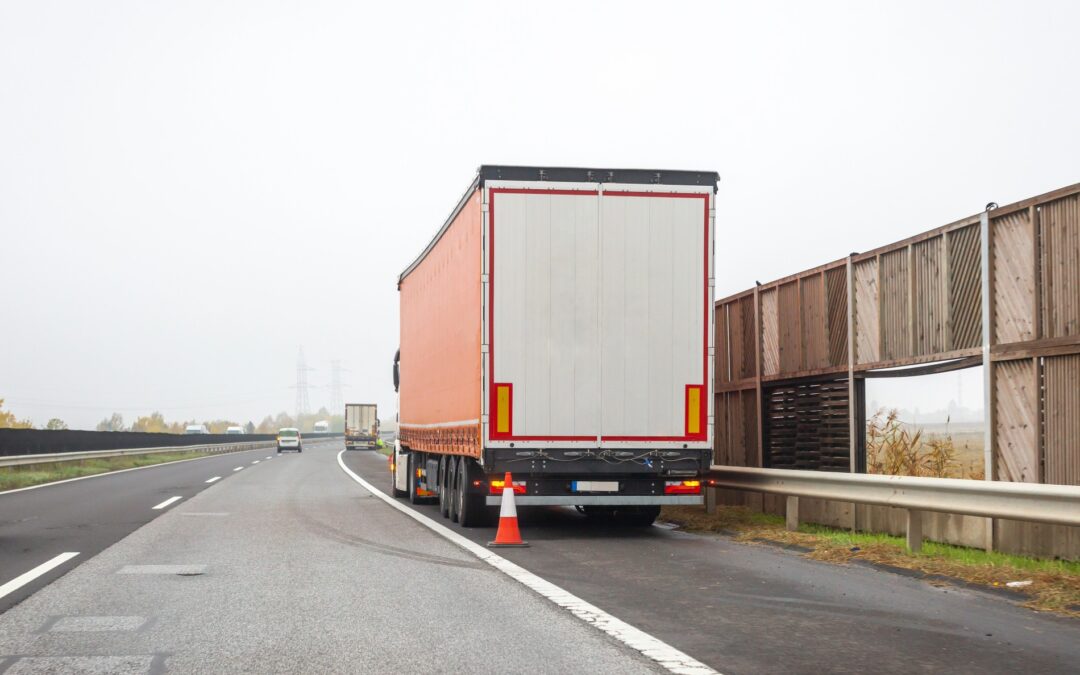
Picture yourself cruising down a highway, feeling the freedom of the open road, when suddenly you sense a problem with your truck’s handling. For truck drivers and fleet managers, this scenario can be all too familiar, especially when it involves spindle issues. These small but crucial components of your truck’s axle system ensure smooth movement and stability. When they fail, it can lead to significant downtime and costly repairs.
Addressing spindle problems before they escalate is crucial for maintaining your truck’s reliability. Ignoring the warning signs can leave you stranded on the roadside, where spindle removal might become the only option. Understanding these problems and knowing when spindle removal is necessary can help mitigate risks and keep your truck running efficiently.
Common Roadside Spindle Problems
Trucks can experience various spindle-related issues that often manifest unexpectedly while on the road. Recognizing these problems early can save time and money. Here are some common roadside spindle problems that truck drivers might face:
– Excessive Wear and Tear: Over time, the spindle can suffer from wear and tear due to heavy loads and continuous use.
– Noise and Vibration: Unusual noises or vibrations may indicate that the spindle or associated bearings are failing.
– Uneven Tire Wear: Misalignment or damage to the spindle can lead to uneven tire wear, signaling a deeper issue.
Spotting these warning signs early on is vital in preventing more severe damage. If you notice these symptoms, it’s time to consider a thorough inspection to determine if removal is necessary. Ignoring these signs can result in more complicated issues, such as the axle seizing or further damage to the wheel assembly.
Understanding when spindle removal is unavoidable requires vigilance and knowledge about your vehicle’s behavior. Identifying these problems early means knowing when to call in the professionals to assess and address the situation. By doing so, you can ensure your truck remains safe and roadworthy.
When Is Spindle Removal Necessary?
Understanding when spindle removal becomes unavoidable can greatly impact the maintenance decisions for your fleet. There are specific instances where this step isn’t just recommended; it’s essential to prevent further complications. One scenario is when excessive wear on the spindle has made it irreparable. If you’ve noticed a lack of smoothness in wheel rotation or hear unfamiliar grinding noises, it could mean the spindle has worn out significantly.
Another scenario is damage from an accident or impact. Collisions or rough handling can bend or fracture a spindle. This kind of structural damage needs immediate attention, as continuing to drive with a compromised spindle can lead to further vehicle damage or a potential breakdown.
It’s clear that being proactive is key. By paying close attention to telltale signs such as uneven tire wear or a shaky vehicle, you can address spindle issues before they lead to severe damage. Once these signs appear, prompt action should be taken to inspect and, if necessary, remove the spindle to prevent further inconvenience and costs.
The Spindle Removal Process
Once the decision for spindle removal has been made, understanding the removal process can help manage expectations. The process requires precision and should involve professionals with the right tools and expertise. Here’s a brief overview of the typical steps involved in removing a spindle:
1. Initial Assessment: A comprehensive inspection confirms the need for spindle removal and identifies any additional damage.
2. Vehicle Preparation: The vehicle is positioned securely on lifts or jacks to ensure safe access to the spindle area.
3. Component Removal: Parts surrounding the spindle, such as the wheel and hub assembly, are carefully removed to reach the spindle.
4. Spindle Extraction: Using specialized tools, the spindle is then extracted, ensuring no further damage occurs to the axle system.
It’s crucial to rely on trained experts for this task. They not only have the specialized equipment but also understand the intricacies involved in ensuring the spindle is removed without causing harm to other parts. Attempting this on your own can lead to serious safety hazards and potentially expensive repairs if not done correctly.
Preventive Measures to Avoid Spindle Problems
While it’s important to know how to deal with spindle problems, prevention is always preferable. Regular maintenance is key to avoiding unexpected spindle issues. Incorporating a few simple practices can extend the life of your spindles and reduce the chances of unexpected breakdowns:
– Routine Inspections: Regularly inspect spindles and their components for early signs of wear or damage.
– Proper Lubrication: Ensure that spindle bearings are well-lubricated, reducing friction and wear.
– Load Management: Avoid overloading trucks, as excessive weight can quicken wear and damage spindles.
By incorporating these preventive measures into your maintenance plan, you not only save time and money but also enhance your fleet’s safety and reliability.
Ensuring Road Safety and Reliability
Quickly addressing spindle issues not only protects your vehicle but also ensures the safety of everyone on the road. Regular monitoring and timely interventions can prevent minor issues from escalating into major problems. For fleet managers and drivers, the peace of mind that comes with knowing their vehicles are road-ready is invaluable.
By making professional spindle maintenance a priority, you can minimize unexpected breakdowns and keep your trucks hauling without unnecessary interruptions. Trust in these strategies to maintain road safety and vehicle reliability, ensuring a smooth operation for both solo drivers and large fleets.
Keeping your truck road-ready and operational starts with taking the right steps at the right time. When facing spindle issues, knowing when to opt for removal is key to minimizing downtime. For professional assessment and service, explore how Southeast Axle Repair can help you with spindle removal for trucks. Trust our expertise to keep your fleet moving safely and efficiently.